
In This Video:
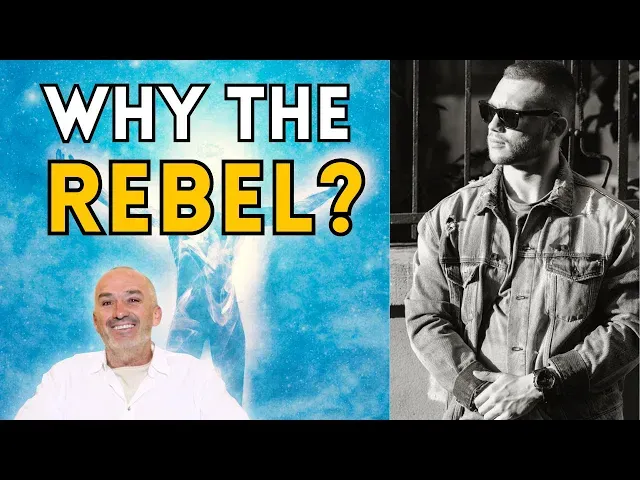
The rebel character is often built as a shield, a way to hide pain and weakness behind an image of a warrior. This satsang distinguishes between this dysfunctional rebellion, which is a reaction to wounding, and a functional rebellion — a conscious choice to say 'no' to societal programming and domestication. True rebellion isn't about seeking attention; it's the quiet, steady inner work of aligning with your own truth, even if it means being misunderstood. It requires patience and the courage to let your inner transformation show itself naturally, like sweetness dripping from a ripe fruit.
- Look at your own 'rebel' persona. Is it a conscious choice for freedom, or a shield built to protect an old wound?
- Are you willing to pay the social price of being misunderstood to stay true to your inner work? Where do you compromise?
- How often do you feel the need to advertise your inner changes versus allowing the 'dripping fruit' of your presence to speak for itself?
TRANSCRIPT
[00:00] The rebel is usually a result of something, isn't it? You don't like the world, you don't like the way it's structured. This exploration is about why we build the rebel character, often stemming from rebellion and wounding. [00:34] Often, the rebel is a shield. You're in pain and you want to not show it. It's a way to hide pain and weakness by appearing strong. [01:24] The rebel persona is designed for attraction, attention, and to build an identity. It can seem cool, dangerous, and appealing. [01:58] The image is that of a knight or a warrior. This egoic structure is built to navigate the world and get a desired response, often excitement or validation. [03:59] The rebel is attractive, and understanding why that matters is key. It can be a healthy rebellion, a conscious choice against programming, or a dysfunctional reaction. [05:03] What we're doing here is a rebellion. It's a conscious choice to look at the programs we've been given, rather than just reacting to them. [06:36] Society wants you to be one way. The true rebel has the strength to stand against that pressure, to be disliked and misunderstood for the sake of their own truth. [08:08] There's a contrast between East and West. In some cultures, monkhood is revered. In the West, intellect is often prized, which can lead to a kind of domestication of the spirit. [11:28] The price of this rebellion is social, but the reward is the inner. It's like a fruit dripping with sweetness—it can't be faked and doesn't need to be advertised. [13:41] You have to be willing to let the world laugh at you. Patience in this practice is everything. They'll only understand when they see the results of your inner work.
GLOSSARY
-
Dysfunctional Rebel
An egoic persona built as a shield to hide pain, fear, or weakness. It's a reactive pattern against the world, rather than a conscious choice for freedom. -
Functional Rebel
A conscious and healthy rebellion against societal 'domestication' and programming. It is an act of inner will, aligned with truth, not a reaction to being wounded. -
Domestication
In the Toltec sense, this is the process of societal conditioning that programs us with beliefs and agreements, often leading us away from our natural state. -
The Dripping Fruit
A metaphor for the visible results of authentic inner work. Rather than advertising your practice, you allow the 'sweetness' of your transformation to become undeniable to others. -
Programming
The collection of internalized beliefs, rules, and agreements from society and family that run our lives unconsciously until they are seen through direct presence.
Q&A
-
Why do people create a rebel persona?
People often build a rebel character as a shield to hide pain, fear, and weakness. It's a way to project an image of strength and independence when feeling hurt or dissatisfied with societal structures, and it can attract attention and create a sense of identity. -
What is the difference between a healthy and unhealthy rebel?
An unhealthy, or dysfunctional, rebel acts from a place of wounding; their rebellion is a reaction against programming. A healthy, or functional, rebel makes a conscious choice from their own will to resist domestication and align with a deeper inner truth, even if it goes against the norm. -
What is the 'price' of being a true spiritual rebel?
The price of authentic spiritual rebellion is often social. It means being willing to be misunderstood, judged, or even laughed at by a world that values conformity. The reward is not external validation but a deep, inner peace and the undeniable 'fruit' of your own transformation. -
What does the 'dripping fruit' metaphor mean?
The 'dripping fruit' metaphor illustrates that authentic inner change doesn't need to be advertised. Like a ripe mango, the sweetness of your transformation will become naturally evident to others through your presence and actions, which is more powerful than any claim you could make.
“There’s nothing to add. What you are is prior to beliefs, thoughts and labels.
Here we explore and unveil the ultimate mystery of non-dual being.
Reality.”